
About
Pages in this Section

SchoolCare was founded in 1995 as the New Hampshire School Health Care Coalition by bringing together associations representing public entity management and labor groups in the state. The Coalition was formed in response to issues of providing employee health care, including quality, choice, cost control and service that public entities were facing. Today, 30 years later, SchoolCare is still a well-regarded resource for public entities facing these same issues.
Read more »
Medical
Pages in this Section

SchoolCare partners with Cigna Healthcare to deliver comprehensive health care service and claims administration. Our health plans put you in control. We give you the tools to be an informed consumer and find the care options that work best for you.
Read more »
Dental
Pages in this Section

SchoolCare has partnered with Cigna to bring you quality dental plans at affordable rates. SchoolCare's dental plans match your existing plan summary of benefits, so there's no compromising on coverage in the name of price. There are six standard coverage plans to choose from, offering a variety of costs and coverage options.
Read more »
Wellness
Pages in this Section

Good For You! is SchoolCare and your employer's commitment to your health and wellness. SchoolCare has collaborated with Cigna to offer best practice, evidence-based, achievable, and fun wellness programs.
Read more »
Ancillary Benefits
Pages in this Section

As your trusted expert in high quality, cost effective health benefits, SchoolCare knows that life can be uncertain. Ancillary benefits are now available to Members to provide savings, top rated coverage and the kind of high-quality service Members are used to.
Read more »
EAP
Pages in this Section

As your dedicated provider for health and well-being, SchoolCare recognizes that managing work and life can be difficult. Everyone experiences change and challenges from time to time that can lead to added stress. A large part of managing these life stressors is getting the support you need. SchoolCare has partnered with Cigna to offer the Employee Assistance Program (EAP), a resource to help you live a well-balanced life.
Read more »
Resources
Pages in this Section

SchoolCare offers many value added resources and benefits for its Member Groups. Here you will find more information on those resources as well as helpful webinars, training and dates to remember. Also included in this section are plan documents and enrollment packets for Member Group use.
Employers
Contact
Medical
Women's Health Month: Are You Giving Your Health the Care it Deserves?
Published May 21, 2026
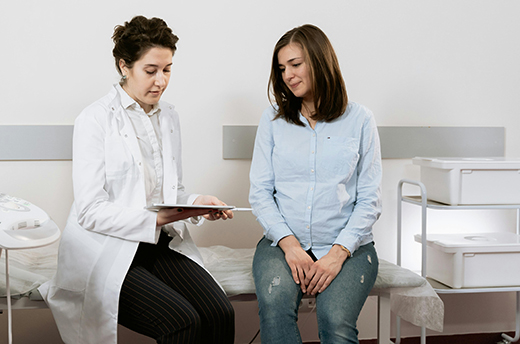
May is Women’s Health Month and we’re highlighting three areas where proactive care makes the biggest difference specifically for women: preventive cancer screenings, heart health, and pelvic health. Learn more about these important area of health and how your put your SchoolCare/Cigna benefits to good use for a long and healthy life.
Preventive Care: Your Best Early-Warning System
Preventive care is an essential part of your health an important factor in catching problems before they start or have time to progress. The foundation of preventive health is simple: see your providers regularly, even when you feel fine, and together you can build a comprehensive health history, which can lead to early detection of changes. Most preventive visits and screenings are covered at no cost to you under your plan when you see an in-network provider.
Start with your annual visits
- Annual wellness visit: Your primary care provider (PCP) is your first line of defense. An annual well-woman visit typically includes a physical exam, blood pressure check, immunization review, and a chance to discuss any health concerns. It’s also a great time to coordinate referrals for specialist screenings.
- Annual OB-GYN visit: Your OB-GYN or gynecologist focuses on reproductive and hormonal health. Annual visits allow for pelvic exams, cervical cancer screening, contraceptive counseling, and discussions about menstrual health, menopause, and fertility. Many women see their OB-GYN as their primary preventive care provider – just make sure someone is also monitoring your overall health.
Key cancer screenings for women
When cancer is caught early, treatment is more effective – and survival rates improve dramatically. Your PCP or OB-GYN can help you determine which screenings are right for you. Below is a list of national age-based recommendations from the American Cancer Society.
- Breast cancer (mammogram): Annual screening recommended from age 45-54 and every two years after age 55. Talk to your doctor about your personal risk and whether to start earlier and if you should continue annually after age 55.
- Cervical cancer (Pap smear / HPV test): Pap smear every 3 years starting at age 21; combined Pap and HPV test every five years from ages 30-65.
- Colorectal cancer: Screening should begin at age 45. Your most common options include an in-office colonoscopy or at-home stool tests. Discuss with your provider what’s right for you based on your personal and family health history.
- Skin cancer: Annual skin checks by a dermatologist are especially important if you have a family history or significant current or past sun exposure.
- Lung cancer: An annual low-dose CT scan recommended for women aged 50-80 who currently smoke or have quit within the past 15 years.
The more you know: Your preventive mammogram, cervical cancer and colon cancer screenings are typically covered at no out-of-pocket expense as part of preventive care and may be eligible for Good For You! Well-Being Program incentives. Login to your mycigna.com portal for more information on your coverage, for support finding a provider and to earn Wellness Cash.
Women’s Heart Health: Know Your Numbers
Heart disease is the leading cause of death in women – and largely preventable – yet many women don’t know their own symptoms or risk factors. Women’s heart attack symptoms often differ from men’s. Signs often include jaw pain, nausea, shortness of breath, or extreme fatigue. Importantly, routine checkups can catch most risk factors early. At your next annual wellness visit, ask your provider to review:
- Blood pressure: High blood pressure usually has no symptoms. A reading of 120/80 or lower is the goal.
- Cholesterol (lipid panel): Should be checked every 4-6 years starting at age 20, or more often if you have risk factors.
- Blood sugar / A1C: Diabetes significantly raises heart disease risk. Routine screening should start between 35-45 depending on your risk profile.
- Body weight and waist circumference: Abdominal fat in particular is linked to cardiovascular risk.
Making small changes to your lifestyle can add up fast. Aim for at least 150 minutes of moderate activity per week, eat a diet rich in fruits, vegetables, and whole grains, and aim for 7-9 hours of sleep per night.
The more you know: Improve or maintain your cardiovascular health by keeping on top of Life’s Essential 8 – blood pressure, cholesterol, blood sugar, weight, physical activity, diet, sleep, and not smoking. These are the American Heart Association’s core metrics for heart health – ask your provider to walk through them with you.
Pelvic Health: A Topic Worth Talking About
Pelvic health is one of the most underdiagnosed areas of women’s wellness, not because it’s rare, but because many women feel uncomfortable bringing it up with their provider. If any of the following affects your daily life, please know effective treatments exist, and you have support with your SchoolCare/Cigna health benefits.
- Urinary incontinence: Leaking urine when you cough, sneeze, or exercise affects 1 in 3 women. Pelvic floor physical therapy and other treatments can help significantly.
- Pelvic organ prolapse: Pressure, heaviness, or bulging in the pelvic area can indicate prolapse. More common after childbirth or menopause, and very treatable.
- Painful intercourse (dyspareunia): Pain during intimacy is not something to simply endure. Hormonal changes, pelvic floor dysfunction, and other causes are all addressable.
- Endometriosis and fibroids: Severe menstrual pain or heavy bleeding should be evaluated. These conditions are often underdiagnosed for years.
- Menopause transitions: Hot flashes, sleep disruption, mood changes, and vaginal dryness are all manageable with the right support. Don’t wait to ask.
The more you know: Hinge Health goes beyond support for joint and back pain. In fact, among SchoolCare’s population, the most utilized Hinge Health program is Women’s Pelvic Health. Work with a personal coach to create a program that aligns with your specific needs, all at no out-of-pocket cost. Hinge Health is fully covered under your SchoolCare plan. Get started at hingehealth.com/schoolcare.
Also – read more about the importance of maintaining strong bone and joint health – an essential topic for women as you age.
Ready to Schedule Your Care?
Your SchoolCare/Cigna health benefits go beyond coverage for emergencies or urgent care and your typical preventive appointments. In addition to in-office coverage, you have access to several in-network virtual providers, like MDLIVE for general preventive health and dermatology, Visana Health and Midi Health for woman-focused care and more. Check out this flyer for an overview and login to mycigna.com to find in-network providers, review covered screenings, and confirm your benefits all in one place.
© 2026 SchoolCare - Health Benefit Plans of the NH School Health Care Coalition
SchoolCare partners with Cigna Healthcare to offer high-quality medical, prescription drug and dental coverage to school districts, towns and other public entities at affordable rates. Together with Cigna, SchoolCare also offers the Good For You! Well-Being program to help participants engage in and achieve a healthy lifestyle.